
Landscaping and Outdoor Design Ideas for Homes

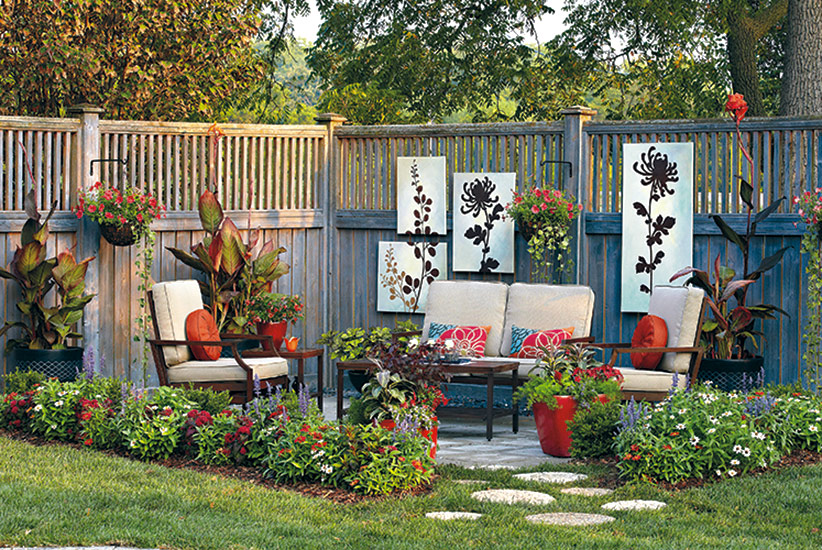
Transforming Exterior Spaces
Creating a beautiful exterior goes beyond simple gardening; it is about crafting an environment that enhances the home’s aesthetics and functionality. Homeowners seeking to implement Outdoor design ideas often aim for a balance between visual appeal, usability, and sustainability. Thoughtful landscaping transforms the property into a harmonious extension of the living space, providing comfort, entertainment areas, and a connection to nature. Each decision, from plant selection to hardscaping, contributes to an outdoor environment that complements the architectural style of the home.
Planning for Flow and Function
A successful outdoor design begins with a clear plan that considers the flow of movement and usability. Pathways, patios, and seating areas should guide visitors naturally while connecting different zones of the yard. Defining areas for relaxation, dining, and gardening ensures functionality without compromising visual coherence. Creating a layout that accommodates daily routines and special gatherings elevates the outdoor experience, making it both practical and inviting.
Incorporating Hardscaping Elements
Hardscaping introduces structure and durability to the landscape. Patios, walkways, retaining walls, pergolas, and decks provide both form and function, framing plantings and creating versatile outdoor spaces. Stone, wood, and composite materials add texture and contrast, while well-planned lighting enhances safety and ambiance. Integrating hardscaping thoughtfully ensures that outdoor spaces remain stylish and functional throughout the seasons.
Plant Selection for Aesthetic and Resilience
Choosing the right plants is key to sustaining beauty and balance in a landscape. Native and drought-tolerant plants reduce maintenance while supporting local ecosystems. Layering greenery with varying heights, textures, and colors adds depth and visual interest. Flowering shrubs, ornamental grasses, and trees can create focal points and define boundaries, making the space lively and engaging while remaining cohesive with the overall design.
Water Features and Tranquil Accents
Incorporating water elements adds a sense of tranquility and luxury to outdoor spaces. Fountains, ponds, and small streams enhance ambiance and create auditory pleasure with the soothing sound of flowing water. Reflective surfaces and strategically placed lighting elevate their visual impact, establishing a serene environment. Water features can serve as central elements or subtle accents, complementing the broader landscape plan.
Functional Outdoor Living Spaces
Modern outdoor design emphasizes livability alongside beauty. Kitchens, dining areas, fire pits, and lounge spaces allow homeowners to entertain, cook, and relax outside comfortably. Furniture selection, weather-resistant materials, and layout considerations maximize usability while ensuring the space remains visually coherent. Creating functional zones encourages interaction and enhances the connection between indoor and outdoor living areas.
Lighting for Ambiance and Safety
Proper lighting enhances both safety and aesthetic appeal. Pathway lights, uplighting for trees, and accent lighting for architectural features create a layered illumination that highlights key elements. Ambient and task lighting extend usability into evening hours, making outdoor spaces more versatile. Well-designed lighting ensures that the landscape remains inviting, functional, and secure at all times.
Sustainable Practices and Eco-Friendly Design
Sustainability is an essential consideration in modern outdoor design. Rain gardens, permeable paving, composting areas, and native plantings reduce environmental impact while maintaining beauty. Efficient irrigation systems and mulching conserve water, ensuring that the landscape thrives responsibly. Integrating sustainability into design not only benefits the environment but also enhances long-term maintenance and cost-efficiency.
Seasonal Considerations and Flexibility
An outdoor space designed for year-round enjoyment considers seasonal changes. Evergreen plants, layered planting, and movable furniture allow the garden to remain functional and appealing across different climates. Planning for seasonal blooms, shade, and wind protection ensures that the space provides comfort and visual interest throughout the year. Flexibility in design accommodates both everyday use and special events seamlessly.
Accents and Decorative Elements
Decorative features such as sculptures, planters, trellises, and garden art add personality and style to outdoor spaces. When incorporated thoughtfully, they enhance the overall design without overwhelming the natural elements. Choosing accents that complement materials, colors, and textures maintains cohesion while allowing homeowners to express individual taste.
Creating Harmony Between Indoors and Outdoors
The most compelling landscapes integrate seamlessly with the home’s architecture. Sightlines from windows, patios that flow naturally from indoor spaces, and consistent design themes create a unified aesthetic. By considering the home and garden as one continuous environment, outdoor design transforms the property into a holistic and immersive living space.
Achieving a Timeless Outdoor Environment
Implementing well-planned Outdoor design ideas elevates both the beauty and functionality of a home’s exterior. From layout and plant selection to hardscaping, water features, and lighting, each component contributes to a balanced, inviting, and sustainable landscape. A thoughtfully designed outdoor space becomes an extension of the home, offering comfort, style, and enjoyment for years to come.


