Choosing a Commercial Lease: Read These Clauses Before You Sign

A commercial lease is a long-term financial commitment disguised as a property document. The headline rent is the number everyone negotiates; the clauses around it decide whether the space is affordable in year three, whether you can leave early and who pays for the roof. Read them before the fit-out, not after.
Compare total occupancy cost, not rent
Add rent, service charge, insurance, utilities, business rates, parking and the amortised cost of the fit-out. Divide by the usable area, not the headline area, and compare the result. A unit at $30 per square metre with a $12 service charge is more expensive than one at $38 with a $4 charge.
Check what the service charge covers and whether it is capped. Ask for the last three years of actual charges, not the budget. A landlord who cannot provide them is either disorganised or hiding an increase. For the fit-out side of the budget, see our commercial fit-out cost guide.

Rent reviews and indexation
An upward-only review at open market value can raise rent even if the market falls. An index-linked review ties increases to inflation, which is predictable but can still compound. A turnover rent suits retail in a weak location but requires transparent reporting. Know which mechanism applies and model a 10 percent increase in year three.
Negotiate a rent-free period to cover the fit-out. Three to six months is common for a unit that needs work; a longer void benefits the landlord too. Get the rent-free period documented as a concession, with the conditions attached, rather than a verbal promise.
Break clauses and assignments
A break clause lets you end the lease early, usually at year three or five. It is only useful if the conditions are achievable: rent paid up to date, no material breach, and written notice served within a narrow window. Diarise the notice date and send it by a method the lease recognises.
Assignment and subletting rights matter if the business grows or shrinks. An absolute prohibition is a trap; a right to assign with landlord consent, not unreasonably withheld, is more workable. Check whether the landlord can charge fees for consent and whether you remain liable after assignment.
Repairing obligations and dilapidations
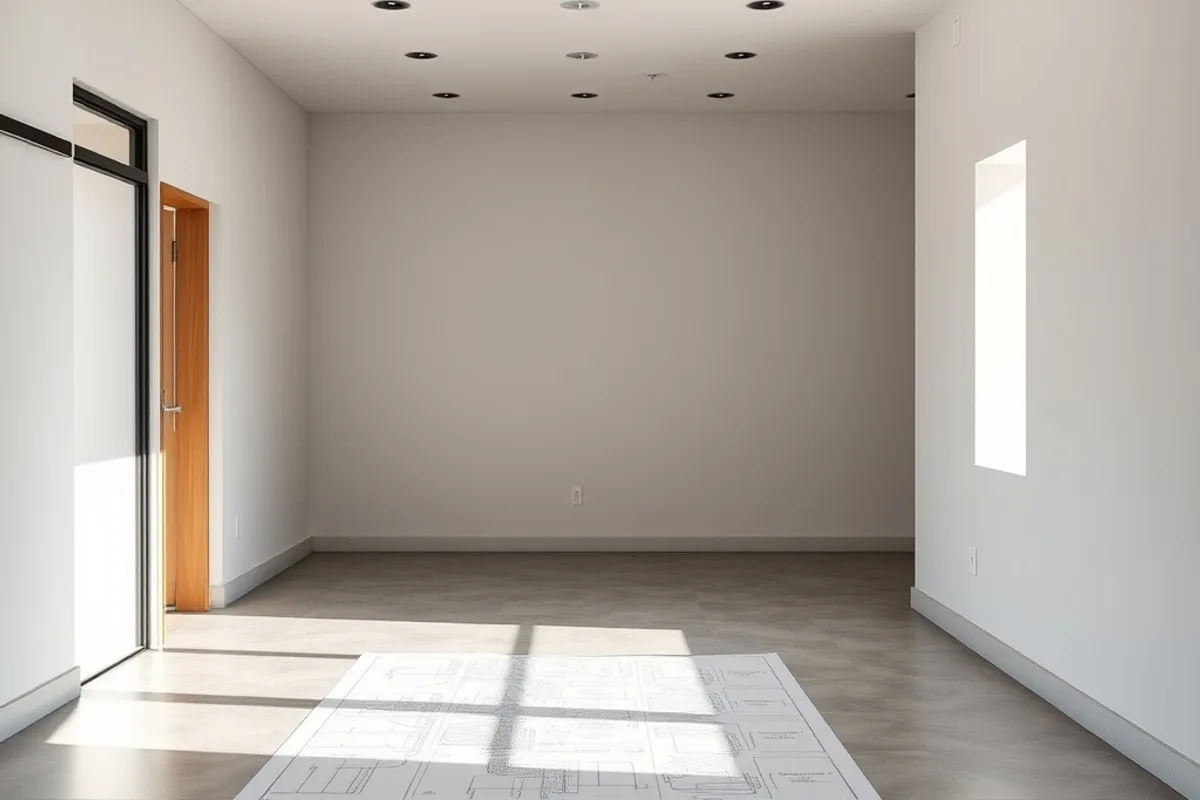
An internal repairing lease limits your liability to the interior; a full repairing and insuring lease can make you responsible for the structure and roof. Read the definition of the demise and the schedule of condition. If there is no schedule, commission one with photographs before you take possession.
At the end of the term, dilapidations can cost more than the deposit. Budget for reinstatement, removal of alterations and redecoration. Negotiate a cap on dilapidations or a sum agreed at the start, especially for a short lease. A surveyor's schedule of condition is the cheapest protection you can buy.
"You are not renting a space. You are renting a set of obligations with a door on it."
Permitted use and alterations
The permitted use clause defines what the space may be used for. A vague “office” may not cover a clinic, a studio or retail. If your business could change, negotiate a wider use or a landlord's consent standard. A change of use may also require planning permission, which is separate from the lease.
Alterations clauses control what you can build. Most leases allow internal non-structural work with consent and require reinstatement at the end. Get consent for the fit-out in writing before starting, including signage, air conditioning and any cabling. Unapproved alterations can be treated as a breach.
Insurance, utilities and VAT
Confirm who insures the building and whether the cost is recovered through the service charge. Insure your own contents, stock and business interruption. Check the utility capacity: a unit with a small electrical supply may not run the equipment you need, and an upgrade can cost five figures.
Commercial rents usually attract VAT, and a deposit may too. Confirm the treatment with your accountant. Check the repairing obligation for the shopfront, the fire equipment and the alarm, all of which are frequently overlooked.
The bottom line
Model the total occupancy cost, inspect the service charge history, diarise every break date and commission a schedule of condition before you sign. Negotiate a rent-free period and a cap on dilapidations. A good lease is not the one with the lowest rent; it is the one you can afford to leave.