Gutters and Drainage: Fix the Water Before It Fixes Your House
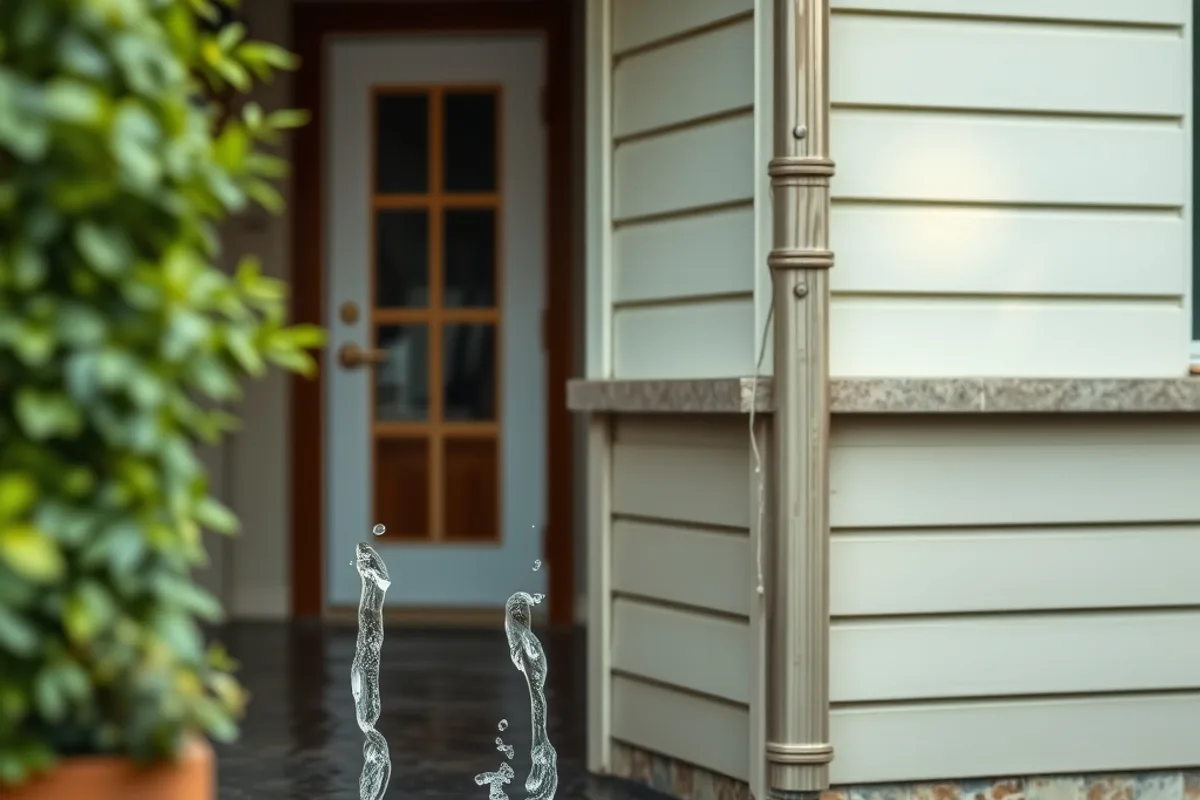
Water is patient. It does not need a hole to get into a house; it only needs a joint, a gradient or a gap, and enough time. Gutters and drainage are the systems that decide where that water goes, and they are also the cheapest to maintain. A blocked downpipe cleared in October can prevent a basement flood in January.
The warning signs
Look for water marks under the gutter line, peeling paint on the fascia, moss on the wall, or a downpipe that stops flowing in heavy rain. Inside, damp at the top of a wall points upward to the gutter; damp at the bottom points to ground drainage. Musty smells in a basement or crawl space usually mean water is sitting where it should not.
Check the system during rain, not after. Watch where the water leaves the downpipe and whether it runs toward the house or away. A downpipe that discharges against the wall is not drainage; it is a slow leak with a schedule.
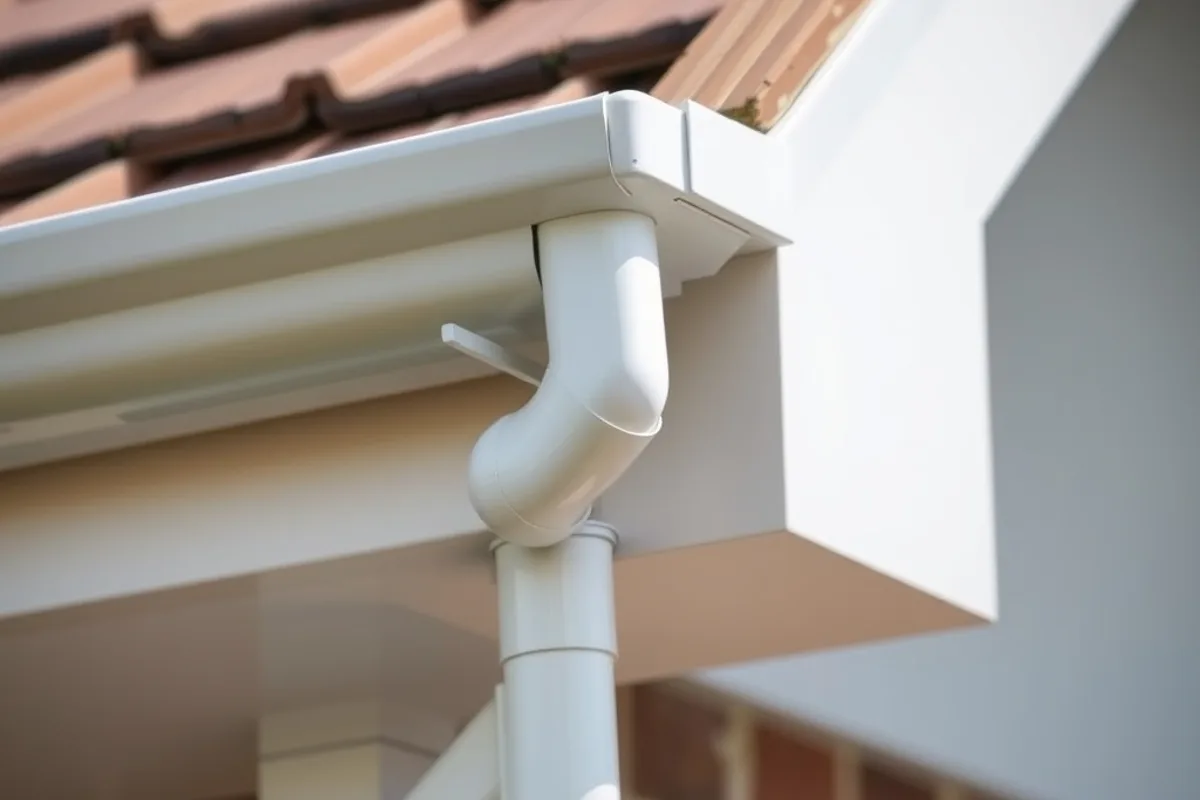
Clearing and repairing gutters
Clear leaves and silt by hand or with a scoop, then flush the run with a hose and check the fall. Gutters should slope 1 to 2 millimetres per metre toward the outlet. Standing water means the brackets have dropped or the gutter is back-falling; both are repairable without replacing the run.
Seal leaking joints with gutter sealant, not silicone, after cleaning and drying the surfaces. Replace cracked sections rather than coating them. If the gutter is more than twenty years old, brittle and sagging in several places, replacement is usually cheaper than repeated repairs. A full replacement with new fascia and downpipes costs $1,200 to $4,500 depending on height and length.
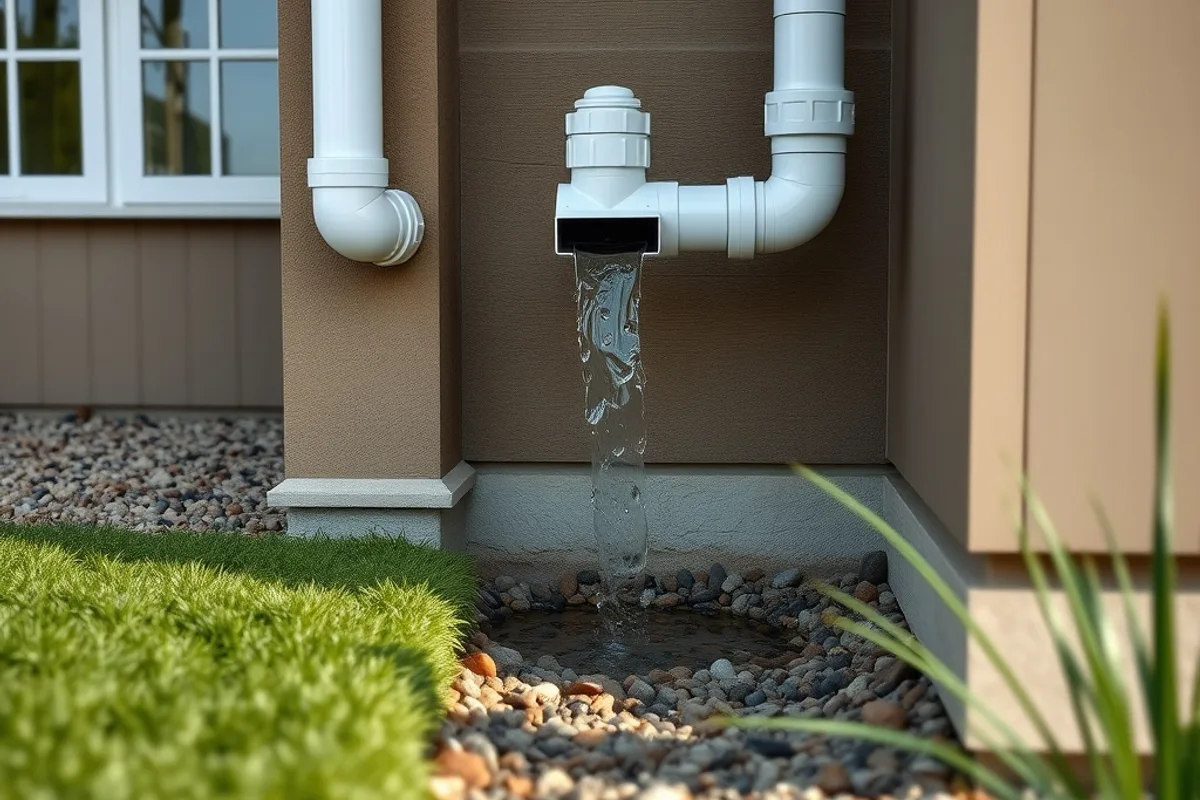
Downpipes and gullies
Check every downpipe is connected to a drain or soakaway, not just ending at the wall. A shoe or bend at the bottom directs water into a gully and prevents scouring. Clear leaf guards and rod the underground run if water backs up. A blocked gully is often the cause of a damp patch that looks like rising damp.
Ground levels and the 150 mm rule
External ground should sit at least 150 mm below the damp-proof course, and ideally slope away from the wall at 1:60. Paving laid above the DPC, soil piled against render or a raised patio can bridge the barrier and let water into the wall. This is one of the most common causes of damp in older houses and one of the easiest to correct.
If the ground cannot be lowered, install a channel drain or a gravel margin and make sure it discharges to a soakaway or sewer. Do not simply add a waterproof coating to the inside; that traps moisture in the wall and moves the problem sideways.
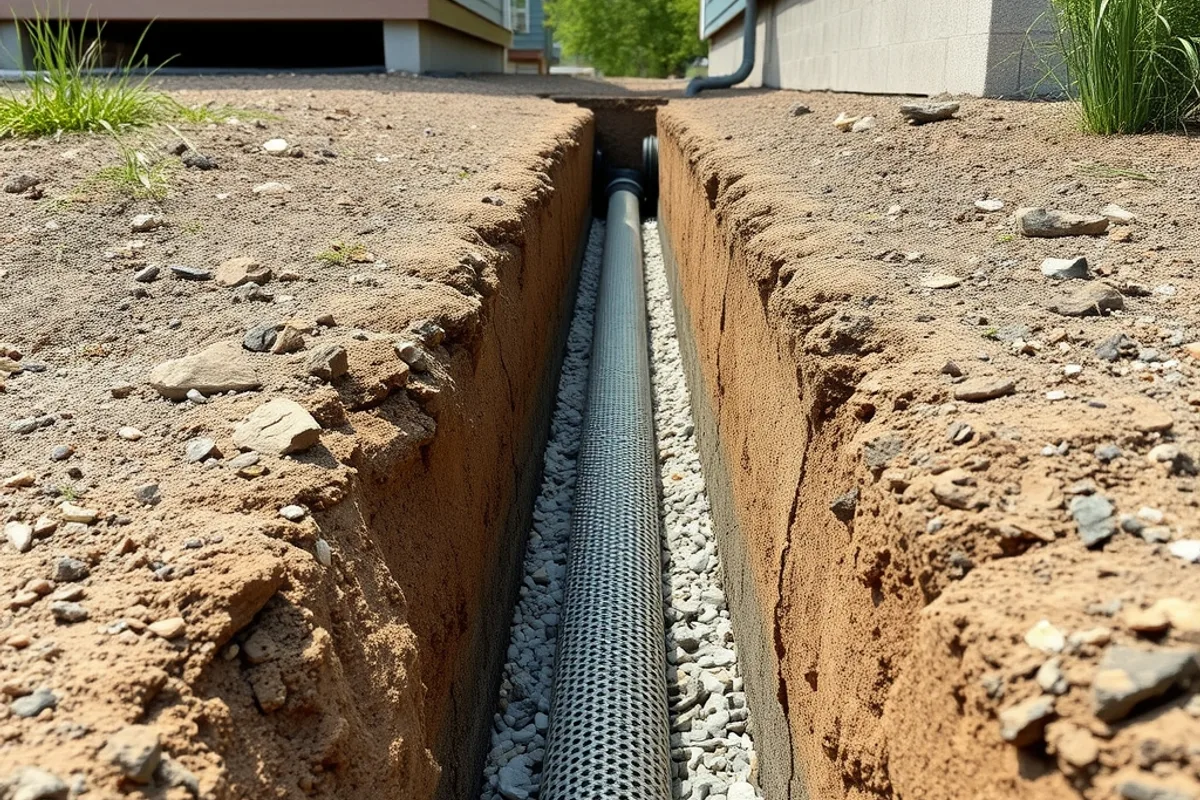
Soakaways, drains and foundations
A soakaway needs to be at least 5 metres from the building and sized to the roof area it serves. If the ground is clay or the water table is high, a soakaway may not work at all and a connection to the surface-water sewer is the correct solution. Check local rules before digging; some areas require permission.
Water pooling within 3 metres of a foundation increases the risk of settlement and damp. If a downpipe discharges into a flower bed beside the wall, extend it to a gravel-filled trench or a proper outlet. A $50 length of pipe and a bag of gravel is cheaper than underpinning, which starts around $8,000 and often exceeds $25,000.
"Most foundation problems are drainage problems that were ignored for a decade."
When to call a professional
Call a drainage contractor if water backs up in more than one fixture, if a drain smells or if you see a collapsed pipe. A CCTV drain survey costs $250 to $500 and tells you exactly what is wrong before anyone quotes a repair. For roofs and gutters at height, use a qualified roofer; ladder falls are the most common serious DIY injury.
Keep records of every clear and repair, including photographs of the outlet and the ground level. If you later sell, the buyer's surveyor will look at exactly these details. For the full seasonal routine, see our home maintenance checklist.
The bottom line
Clear twice a year, check the fall, connect every downpipe to a proper outlet and keep ground levels below the damp-proof course. These four habits cost little and prevent the damp, settlement and basement water that dominate repair bills. Water will always find the weakest point; make sure it is not your foundation.