The 2026 Home Maintenance Checklist: Every Season, Every System

Houses fail slowly and then suddenly. A gutter that overflows for one winter rots a fascia; a sealant joint that opens for one summer lets water behind a render; a boiler that misses two services fails on the coldest weekend of the year. This checklist is deliberately unglamorous. It is also the cheapest insurance a homeowner can buy.
Spring: water, roof and exterior
Walk the perimeter after the last frost. Look at the roof from the ground with binoculars: missing tiles, lifted flashing, blocked valleys. Do not climb a wet roof. If you see a problem, call a roofer for a condition report, which usually costs $150 to $350 and is credited against repair work.
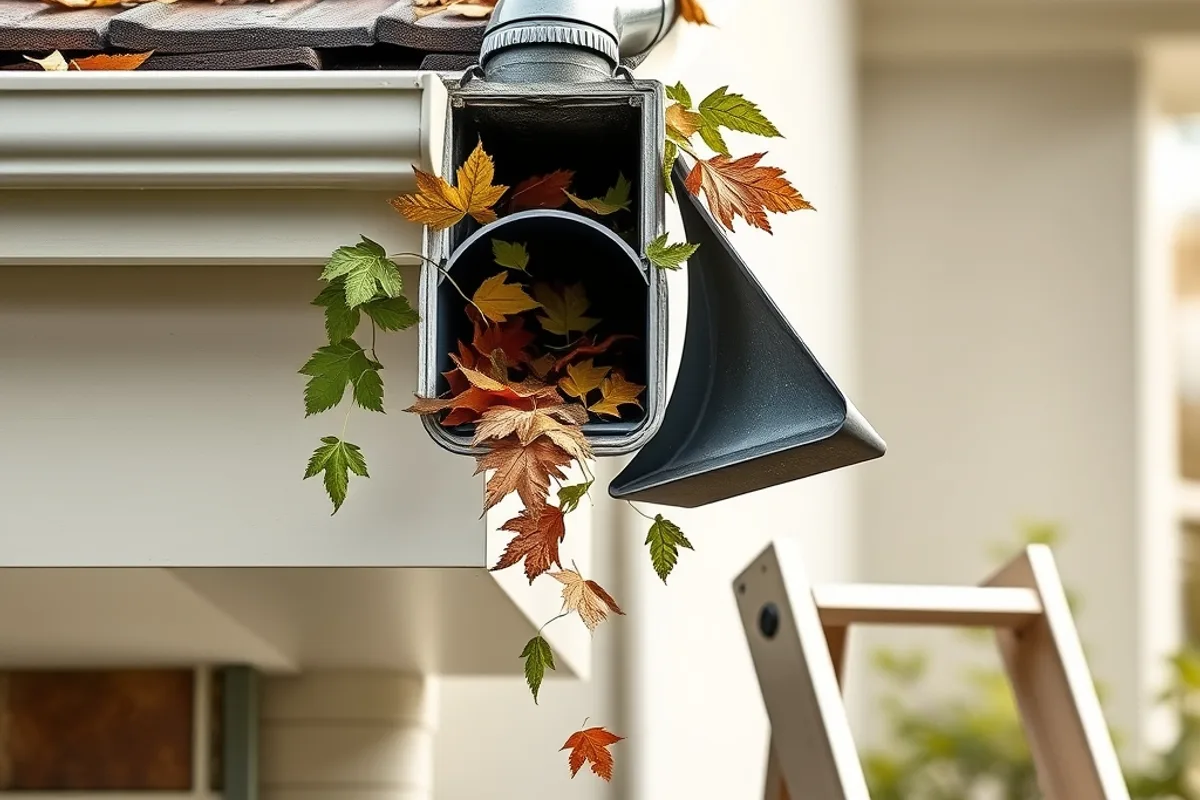
Clear gutters and check that downpipes discharge at least 1.5 metres from the wall. Water pooling at the base is the most common cause of damp in a basement or ground-floor wall. Test the sump pump if you have one, and check the age of the flexible hoses on washing machines and dishwashers; a burst hose is a $10 part and a $10,000 floor.
Service the boiler or heat pump in spring if your provider offers off-season pricing; the same job costs more in November. Replace the filter, check the pressure and book the annual service in writing. Keep the certificate with the house documents, because a buyer will ask for it.
Summer: paint, seals and outdoor work
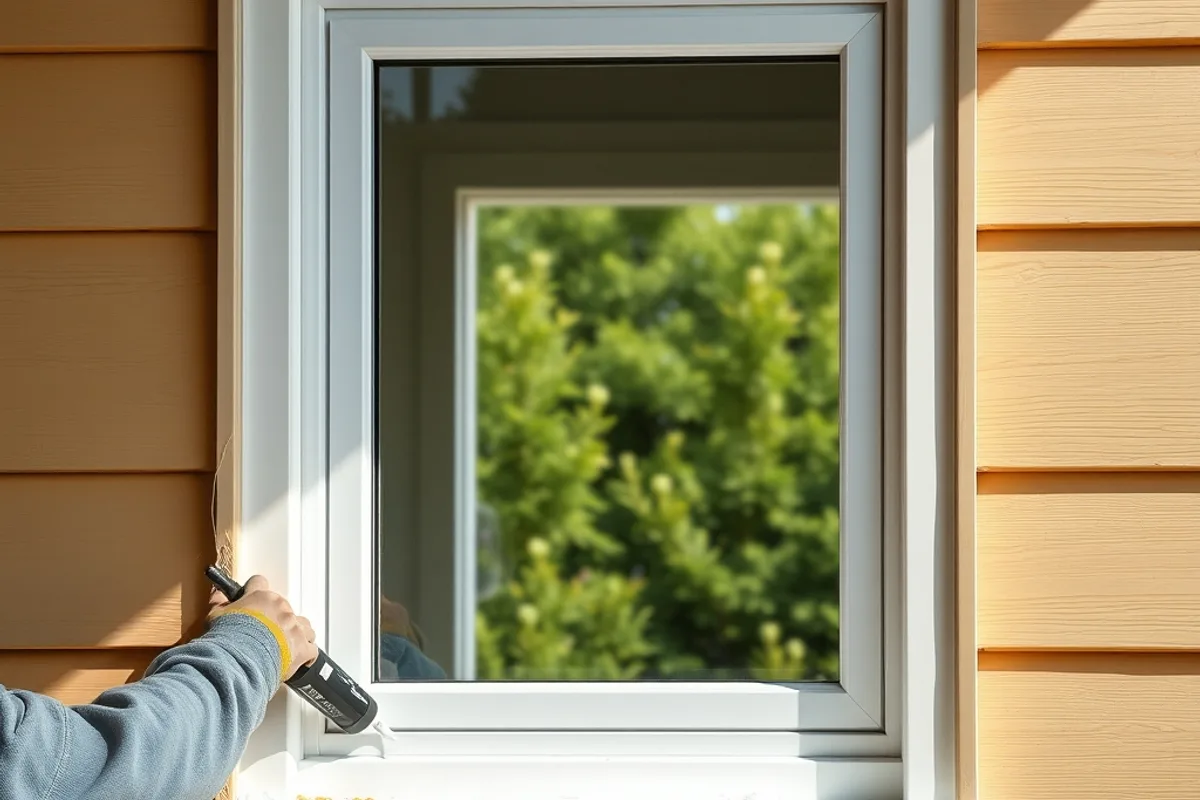
Summer is for anything that needs dry weather. Rake and repaint any exterior timber that has gone grey or flaky. Check window and door seals; a tube of exterior mastic costs $12 and prevents a draught, a leak and a rot repair. Clean and treat decking, and check handrails and steps for movement.
Trim vegetation away from the walls and roof. Ivy looks romantic until it lifts a tile or blocks a vent. Keep at least 300 mm clear between planting and masonry so air can move and damp can dry. If you have a loft, go up with a torch: check for daylight, stained timbers, nesting and insulation that has been pushed aside.

The water test
Turn every tap and shower on for five minutes, then look for drips under basins and around the toilet base. Check the water meter with all outlets off; if the dial moves, something is leaking. A $15 leak detector placed under the boiler or washing machine is cheap early warning.
Autumn: the most important season
Clear gutters after leaf fall and again after the first storm. Check the roof edge, the fascia and the pointing. Lag exposed pipes before the first frost, and drain outside taps. Have the chimney swept if you burn wood, and test every smoke and carbon monoxide alarm with the button, not just by looking at it.
Check the loft insulation is dry and continuous. Gaps around pipes and downlights are where warm air escapes and condenses. Seal the obvious ones with proprietary covers, and keep vents open. For the drainage side of autumn, our gutter and drainage guide explains what to fix and what to replace.
Winter: heat, damp and emergencies
Keep the heating on a low background setting, even when away, to prevent frozen pipes. Know where the stopcock is and turn it before a plumber arrives. Check for condensation on windows and cold external walls; if it is persistent, improve ventilation before repainting. Never block a vent to stop a draught.
After a storm, inspect the roof, fences and any trees within falling distance of the house. Photograph damage before you clear it for insurance. Clear snow from around vents and keep paths and steps gritted. If a pipe freezes, turn off the supply and warm the pipe gently from the end nearest the tap.
The annual professional checks
Book a boiler service, an electrical inspection every ten years (five if the installation is old or heavily used), and a chimney sweep if applicable. Have the roof inspected every three to five years, and the gutters cleared professionally if the house is tall or the access is difficult. These are the checks that keep insurance valid and problems small.
"Maintenance is not a cost. It is a transfer of money from a future emergency to a present afternoon."
Keep a house file
Keep receipts, service certificates, paint colours and warranty documents in one folder, physical or digital. Note the date and cost of every repair. When you sell, the file is evidence of care; when something fails, it tells you whether it is still under warranty. A simple spreadsheet is enough.
The bottom line
Two hours per season, a ladder you do not overreach from, and a willingness to call a professional when the job involves height, gas or electricity. That routine prevents most of the expensive failures a house can produce. For extension or renovation decisions, see our extension budget guide.