
Interior Renovation Tips for Beginners

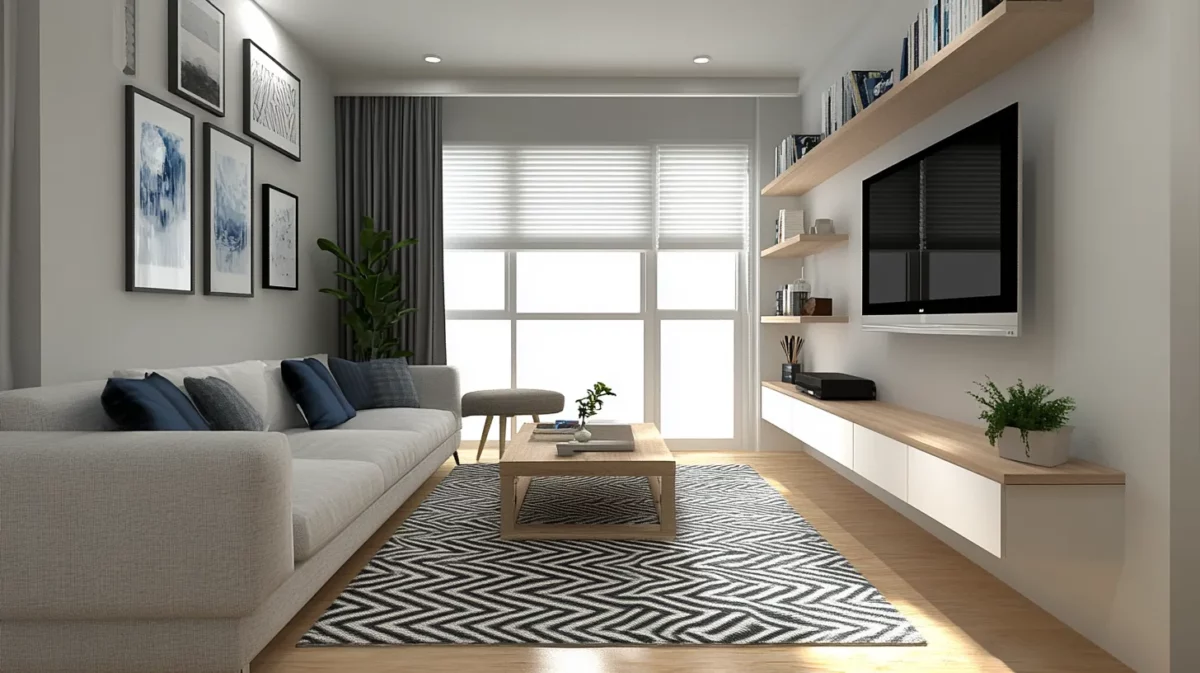
Embarking on a home transformation can feel overwhelming, but following a few beginner renovation tips can make the process manageable and even enjoyable. Planning carefully, understanding your style preferences, and setting realistic expectations are the cornerstones of a successful project. From choosing colors and materials to balancing aesthetics with functionality, small decisions compound to create a harmonious, enduring space.
Establish a Clear Vision
Before any demolition or purchase, define the overall goal of your renovation. Consider what you want to achieve: increased functionality, aesthetic upgrades, or a complete style overhaul. Visual inspiration boards or digital mood boards help clarify your taste and align choices with your ultimate vision.
Budget Planning and Prioritization
Budgeting is fundamental in beginner renovation tips. Outline all expected costs, including materials, labor, permits, and contingency funds for unexpected issues. Prioritize spending on high-impact areas such as kitchen and bathroom upgrades, durable flooring, or energy-efficient appliances. Allocating resources wisely ensures long-term satisfaction without financial strain.
Research and Understand Materials
Familiarity with materials prevents costly mistakes and enhances design coherence. Explore different flooring options, wall treatments, and cabinetry finishes, noting durability, maintenance, and compatibility with your space. Combining quality materials with aesthetic appeal supports a renovation that is both functional and timeless.
Start Small with Manageable Projects
For first-time renovators, beginning with smaller spaces or single-room projects allows you to gain experience without becoming overwhelmed. Updating a living room, bedroom, or bathroom provides valuable lessons in planning, budgeting, and working with contractors. Success in smaller projects builds confidence for tackling larger undertakings later.
Seek Professional Guidance When Needed
Even with meticulous planning, certain elements may require professional insight. Architects, interior designers, or experienced contractors can provide advice on structural changes, electrical adjustments, or plumbing modifications. Leveraging expertise ensures safety and compliance while enhancing the overall quality of the renovation.
Embrace Timeless Design Principles
Choosing classic colors, balanced layouts, and quality materials aligns with principles of timeless design renovation. Avoid over-reliance on fleeting trends that may date quickly. Neutral palettes, well-proportioned furniture, and durable finishes create an enduring foundation while allowing for seasonal updates or accent changes over time.
Focus on Functional Layouts
Functionality should guide every decision. Optimize furniture placement, traffic flow, and storage solutions to create spaces that are practical and comfortable. Multipurpose furniture and modular systems allow flexibility, particularly useful in smaller rooms or evolving household needs.
Lighting Matters
Lighting transforms perception and mood. Layered lighting that combines ambient, task, and accent sources enhances versatility. Natural light should be maximized through window placement and light treatments, while carefully chosen fixtures highlight key areas and elevate aesthetic appeal.
Mindful Color Selection
Color impacts both mood and spatial perception. Begin with a neutral base and incorporate accent colors gradually. Test swatches under different lighting conditions to ensure consistency. A cohesive palette simplifies furniture and décor choices, producing a polished, intentional look.
Storage and Organization
Adequate storage prevents clutter and maintains visual harmony. Incorporate built-in shelving, hidden compartments, or modular units to maximize functionality without sacrificing style. Organized spaces reduce stress and improve usability, critical for first-time renovators seeking practical outcomes.
Take Your Time with Decisions
Rushed choices often lead to regret or mismatched design elements. Evaluate options for flooring, countertops, cabinetry, and finishes carefully. Allowing time for reflection ensures that every selection aligns with your vision, budget, and lifestyle needs.
Document and Communicate
Maintain records of contracts, receipts, and plans, and communicate clearly with any professionals involved. Clear documentation prevents misunderstandings, streamlines workflow, and ensures that the project adheres to timelines and budget constraints.
Personalization and Finishing Touches
After structural and aesthetic elements are in place, add personal touches that reflect your style. Artwork, textiles, lighting accents, and curated décor infuse personality and comfort. These final adjustments transform a well-executed renovation into a home that feels genuinely yours.
Following these beginner renovation tips ensures that first-time renovators can approach projects with confidence, clarity, and purpose. By prioritizing planning, budgeting, timeless design principles, functionality, and careful material selection, even novice homeowners can achieve impressive, lasting results.
:strip_icc()/stylemaker-secret-white-den-b21ab396-d2636ff8d24449a99561054dc983475b.jpg?w=300&fit=300,300&ssl=1 "Interior Renovation on a Budget")


:max_bytes(150000):strip_icc()/exciting-small-kitchen-ideas-1821197-hero-d00f516e2fbb4dcabb076ee9685e877a.jpg?w=300&fit=300,300&ssl=1 "Kitchen Remodeling for Small Spaces")

