
Kitchen Remodeling Tips for Beginners

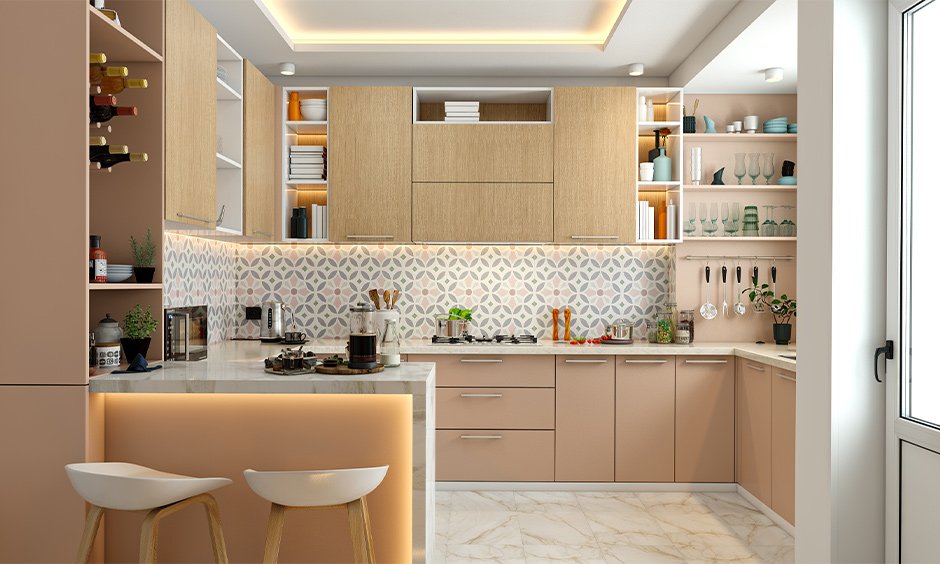
Starting Your Kitchen Remodel on the Right Foot
Embarking on a kitchen renovation can feel overwhelming, especially for newcomers. With thoughtful planning, even novice renovators can achieve a functional and stylish space. Implementing Beginner kitchen tips at the earliest stages ensures that the project runs smoothly and avoids common pitfalls. From establishing a budget to prioritizing layout, these foundational steps create a roadmap for a successful kitchen transformation.
Establishing a Practical Budget
Budgeting is essential for any remodeling project. Before selecting materials or appliances, determine how much you are willing to spend. Allocate funds to essential components first, such as cabinetry, countertops, and appliances. Reserve a portion of the budget for unexpected costs. A well-planned budget keeps the renovation on track and prevents overspending.
Prioritizing Layout and Workflow
One of the most important aspects of kitchen design is its layout. The work triangle—placing the sink, stove, and refrigerator in a triangular arrangement—enhances efficiency and movement. Practical workflow should be prioritized over purely aesthetic choices. Even small kitchens benefit from careful zoning, allowing multiple tasks to happen simultaneously without congestion.
Choosing Durable Materials
Durable and visually appealing materials are crucial for a beginner-friendly remodel. Surfaces that withstand daily wear, such as quartz or granite countertops, are recommended. Cabinets with solid construction and easy-to-clean finishes reduce maintenance and prolong longevity. Flooring materials like ceramic tiles or luxury vinyl provide resilience while contributing to the overall design.
Storage Solutions for Beginners
Effective storage is vital for maintaining an organized kitchen. Pull-out drawers, vertical shelving, and clever cabinet inserts maximize available space. Even a modest pantry can be optimized with labeled containers and adjustable shelves. Proper storage planning ensures tools, ingredients, and utensils are easily accessible, reducing clutter and improving workflow.
Selecting Appliances Wisely
Appliances play a central role in any kitchen. Energy-efficient models with intuitive controls reduce operational costs and learning curves. Multi-functional appliances, such as ovens with convection settings or refrigerators with built-in organization, maximize utility. Choosing reliable and easy-to-use appliances provides peace of mind and long-term satisfaction.
Lighting and Ambiance
Lighting transforms both mood and functionality in a kitchen. Combining overhead fixtures, task lighting, and accent illumination improves visibility and atmosphere. Adjustable and dimmable options allow flexibility for cooking, dining, and entertaining. Strategic lighting placement highlights design features while ensuring safety and ease of use.
Color and Design Considerations
Choosing a color palette and design style can be challenging for beginners. Neutral tones provide a base, with accent colors added through backsplashes, accessories, or walls. Cohesive materials and finishes create a visually harmonious environment while allowing room for creativity. Subtle textures and contrasts add depth without overwhelming the space.
Planning for Future Needs
Anticipating future lifestyle changes ensures the kitchen remains functional over time. Consider how family size, cooking habits, and entertaining needs may evolve. Flexible layouts, expandable islands, and modular storage solutions can adapt to changing demands. Forward-thinking design prevents frequent renovations and ensures long-term satisfaction.
Hiring Professionals Wisely
While DIY projects are possible, some tasks require professional expertise. Plumbing, electrical work, and custom cabinetry installation often need skilled professionals for safety and precision. Beginners can save time and avoid mistakes by hiring qualified contractors for complex elements while handling simpler aspects independently.
Staying Organized and Patient
Organization and patience are key throughout the remodeling process. Maintain a detailed timeline, track expenses, and communicate clearly with all involved. Delays and unexpected challenges are natural. Consistently applying planning strategies fosters a smoother experience and helps transform initial anxiety into a rewarding process.
:max_bytes(150000):strip_icc()/exciting-small-kitchen-ideas-1821197-hero-d00f516e2fbb4dcabb076ee9685e877a.jpg?w=300&fit=300,300&ssl=1 "Kitchen Remodeling for Small Spaces")


:strip_icc()/stylemaker-secret-white-den-b21ab396-d2636ff8d24449a99561054dc983475b.jpg?w=300&fit=300,300&ssl=1 "Interior Renovation on a Budget")
