
Landscaping and Outdoor Design for Entertaining

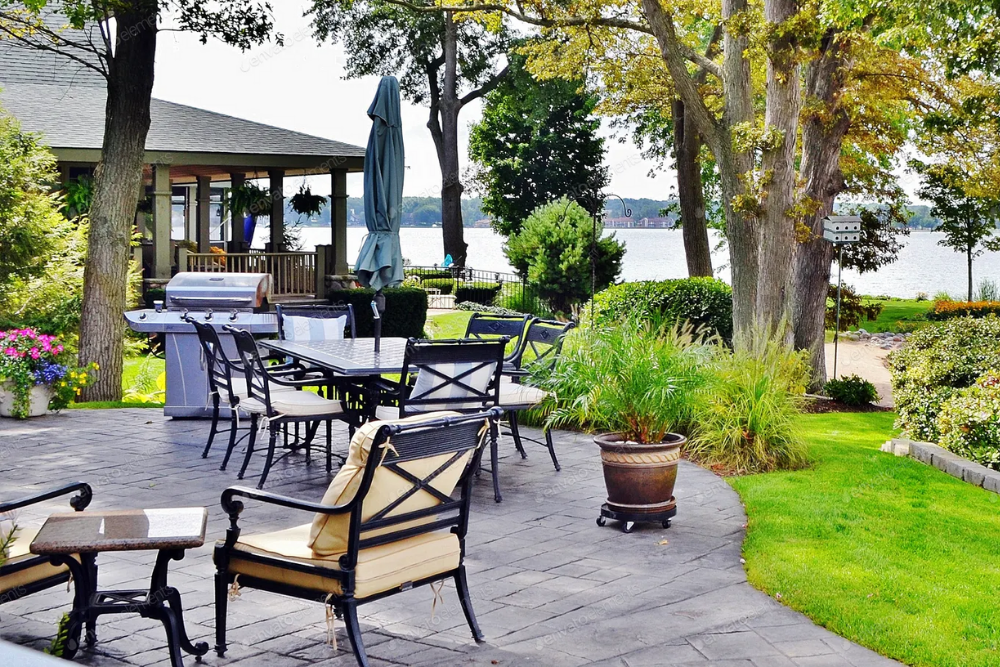
Designing for Social Spaces
Creating an outdoor environment tailored for gatherings requires intentional design. Implementing Entertaining outdoor design strategies ensures spaces are both functional and visually captivating. Start by evaluating the available area, noting sunlight, shade, and natural flow. Establish zones for dining, conversation, and activities to accommodate guests comfortably while maintaining aesthetic balance.
Prioritizing Functionality
Functionality is essential for any entertaining landscape. Ensure pathways are clear, seating is ample, and key areas are accessible. Multi-purpose zones allow flexibility for various types of gatherings, from casual barbecues to formal dinners. Carefully planned layouts make movement effortless and prevent congestion, enhancing the guest experience.
Selecting the Right Plants
Plant selection plays a crucial role in creating an inviting atmosphere. Opt for low-maintenance, fragrant, or flowering plants that add sensory appeal without excessive upkeep. Incorporate evergreens and seasonal plants to ensure year-round interest. Arranging plants strategically provides natural privacy and creates cozy nooks, encouraging intimate conversations.
Integrating Hardscaping Elements
Hardscaping enhances both function and style in entertaining spaces. Patios, decks, pergolas, and built-in benches create structure while defining zones. Use durable, weather-resistant materials like stone, brick, or composite wood to withstand high foot traffic. Thoughtful placement of hardscape features ensures they complement, rather than overwhelm, the natural elements.
Outdoor Kitchens and Dining Areas
Outdoor kitchens and dining zones are pivotal for entertaining. Incorporate grills, counter space, and storage to streamline food preparation and service. A well-positioned dining table encourages social interaction and keeps gatherings organized. Choosing comfortable, weather-resistant seating ensures guests can relax and enjoy extended visits.
Incorporating Lighting for Ambiance
Lighting sets the tone for evening gatherings. Use a combination of pathway lights, string lights, and accent lighting for focal points such as trees, water features, or architectural elements. Solar or low-voltage options provide sustainable, low-maintenance illumination. Proper lighting enhances safety while creating a warm, inviting ambiance that extends the usability of the space into the night.
Water Features and Decorative Accents
Water features such as fountains, small ponds, or cascading elements add serenity and a sensory focal point for guests. Decorative accents like sculptures, fire pits, or outdoor art enhance the aesthetic appeal and serve as conversation starters. Strategically placed accents guide attention and create dynamic visual interest throughout the entertaining areas.
Flexible and Comfortable Furniture
Furniture should combine comfort, durability, and adaptability. Modular seating, foldable tables, and stackable chairs allow spaces to adjust according to guest numbers and activities. Outdoor cushions, rugs, and weather-resistant fabrics enhance comfort while adding color and texture. Choosing versatile furniture ensures the space can accommodate a range of entertaining scenarios effortlessly.
Maximizing Privacy and Flow
Privacy and flow are crucial for enjoyable gatherings. Use hedges, trellises, or screens to create secluded areas, while ensuring clear movement between zones. Properly planned layouts prevent congestion, encourage conversation, and make guests feel relaxed. Combining visual privacy with natural openness creates a welcoming environment for social interaction.
Seasonal and Weather Considerations
Designing for seasonal variation and weather ensures the space is functional year-round. Incorporate shade elements like umbrellas, pergolas, or retractable awnings for sun protection. Select plants that bloom or display vibrant foliage during different seasons. Seasonal decorations and movable furniture allow the area to adapt to climate changes and festive occasions, keeping gatherings enjoyable in any weather.
Sustainable Practices
Sustainability enhances both longevity and appeal. Use drought-tolerant plants, rainwater harvesting systems, and permeable surfaces to conserve resources. Composting and eco-friendly maintenance practices reduce environmental impact while keeping the space functional and beautiful. Sustainable design ensures that the outdoor entertaining area remains vibrant and low-maintenance over time.
Creating Cohesive Aesthetics
A cohesive design unites all elements into a harmonious space. Coordinate colors, materials, and textures between hardscaping, furniture, and plantings. Integrate focal points like sculptures, water features, or accent lighting to draw attention and encourage interaction. Cohesion ensures the entertaining area feels thoughtfully curated rather than disjointed, enhancing the overall guest experience.
Encouraging Interaction and Engagement
An effective entertaining landscape promotes engagement. Curved pathways, strategically placed seating, and multiple activity zones encourage guests to move, mingle, and explore. By designing spaces that naturally facilitate interaction, homeowners can create memorable experiences and a lively atmosphere, exemplifying the potential of Entertaining outdoor design.
Long-Term Planning
Consider the long-term usability of the outdoor space. Account for plant growth, seasonal changes, and evolving entertaining needs. Durable materials, sustainable practices, and flexible layouts allow the space to adapt over time without losing its functionality or visual appeal. Thoughtful planning ensures that the entertaining landscape remains inviting and practical for years to come.


:strip_icc()/stylemaker-secret-white-den-b21ab396-d2636ff8d24449a99561054dc983475b.jpg?w=300&fit=300,300&ssl=1 "Interior Renovation on a Budget")
:max_bytes(150000):strip_icc()/exciting-small-kitchen-ideas-1821197-hero-d00f516e2fbb4dcabb076ee9685e877a.jpg?w=300&fit=300,300&ssl=1 "Kitchen Remodeling for Small Spaces")
