
Landscaping and Outdoor Design for Year-Round Beauty

Planning for Continuous Appeal
Achieving a garden that remains captivating throughout the seasons requires meticulous planning. Homeowners aiming for Year-round beauty design focus on selecting plantings, materials, and layouts that maintain interest during winter, spring, summer, and fall. It is not merely about lush greenery or seasonal blooms; it is a careful orchestration of textures, colors, and forms that evolve gracefully over time. With strategic foresight, landscapes can remain visually stimulating, functional, and harmonious in every season.
Selecting Plants for Seasonal Variation
A cornerstone of year-round beauty is plant selection. By combining evergreens, perennials, deciduous trees, and seasonal flowers, designers ensure the landscape maintains structure and vibrancy. Evergreens provide consistent foliage and form, while deciduous trees and perennials introduce seasonal changes that offer bursts of color and dynamic silhouettes. Bulbs and flowering shrubs can be timed to bloom in succession, ensuring the garden continually offers visual focal points regardless of the calendar.
Layered Textures and Heights
Layering plants by height and texture adds depth and dimension to any outdoor space. Low groundcovers, mid-level shrubs, and taller trees create a sense of continuity and balance throughout the year. Incorporating varying leaf shapes, bark textures, and foliage colors ensures the garden remains interesting even when flowers are scarce. These layers also support ecological diversity, attracting birds, pollinators, and beneficial insects that enhance the vitality of the landscape.
Hardscaping for Seasonal Interest
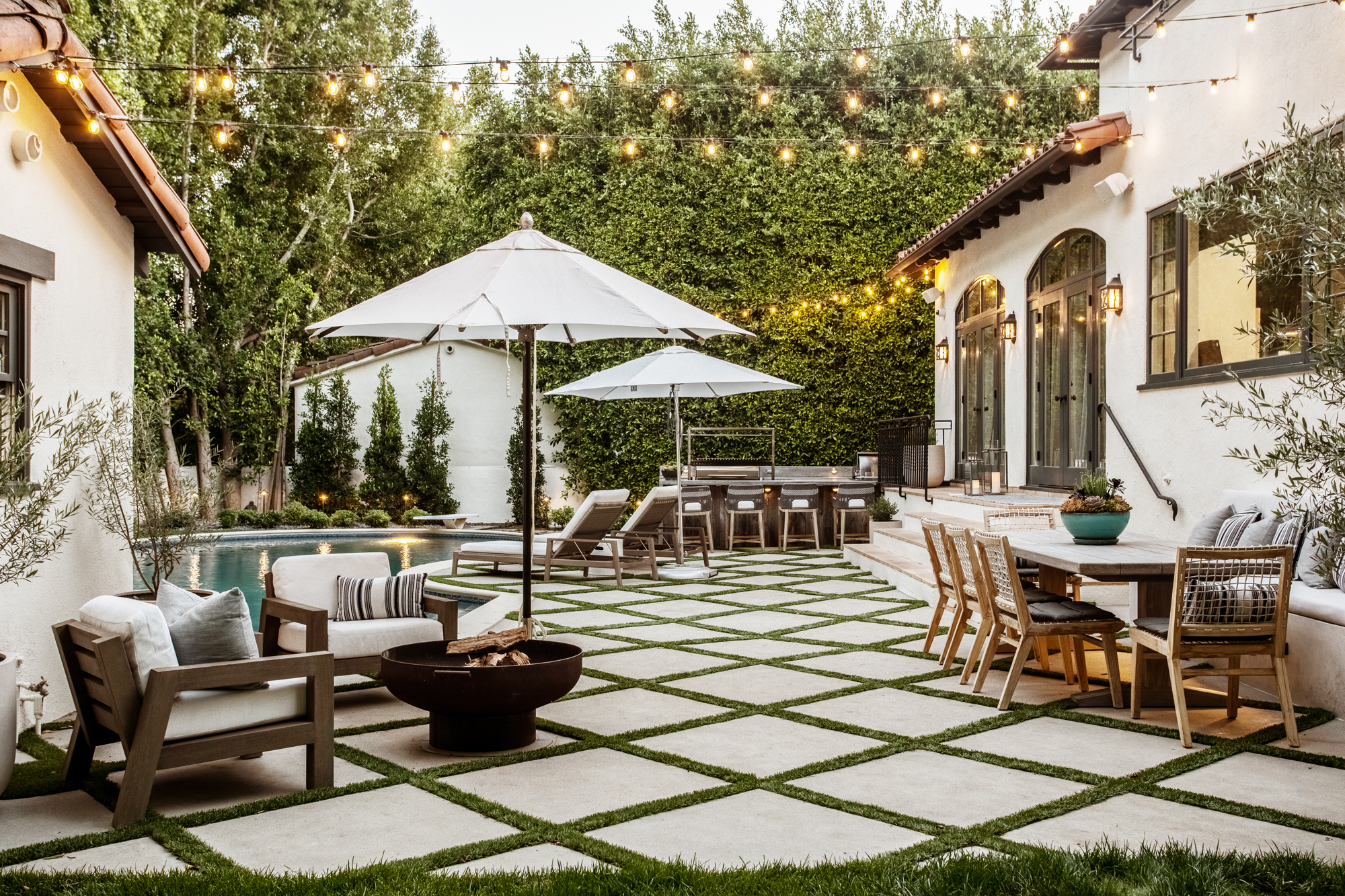
Hardscaping elements such as pathways, patios, walls, and water features are essential for maintaining year-round appeal. Materials like stone, brick, and timber provide texture and structure, ensuring the landscape retains visual interest when plants are dormant. Water features such as fountains or reflective pools introduce movement and sound, which can animate the garden even in winter months. Strategic placement of seating areas and pergolas also ensures functional and inviting outdoor spaces in all weather conditions.
Incorporating Color Throughout the Year
To sustain aesthetic appeal, designers often employ a palette that shifts with the seasons. Spring bulbs, summer perennials, autumn foliage, and winter berries or evergreens offer a continuous rotation of colors. Plants with unique bark, stems, or seed heads can provide unexpected hues during periods when flowers are absent. This careful consideration of color ensures the garden never feels static and always engages the senses.
Smart Lighting Solutions
Lighting plays a pivotal role in maintaining beauty during shorter days or inclement weather. Pathway lights, uplighting on trees, and accent illumination on water features can extend usability and visual appeal into evening hours. Seasonal lighting adjustments highlight key elements during different times of the year, enhancing the perception of depth, highlighting textures, and creating a dynamic, inviting atmosphere.
Water Management and Sustainability
Sustainable design supports year-round beauty by maintaining plant health and landscape vitality. Smart irrigation systems, rainwater collection, and soil monitoring help regulate hydration according to seasonal needs. Proper water management ensures plants thrive without overwatering, reduces maintenance, and promotes longevity of the landscape. Healthy, well-maintained greenery contributes to the consistent visual appeal that defines successful Year-round beauty design.
Seasonal Décor and Functional Spaces
Enhancing landscapes with functional outdoor elements can further promote year-round usability. Fire pits, covered patios, and sheltered seating areas allow homeowners to enjoy the garden regardless of weather conditions. Seasonal décor, such as planters, hanging baskets, and decorative sculptures, can be rotated or updated to reflect the time of year. These additions enrich both aesthetics and practicality, creating spaces that are lively and engaging in every season.
Wildlife-Friendly Landscaping
Integrating features that attract wildlife enhances the landscape’s vitality throughout the year. Bird feeders, pollinator-friendly plants, and small water stations introduce movement and life, even when other elements are dormant. The presence of birds, butterflies, and small mammals adds dynamic interest and complements the evolving visual textures of the garden, enriching the experience of outdoor spaces in all seasons.
Pruning and Maintenance Considerations
Year-round beauty requires proactive maintenance strategies. Pruning, mulching, and fertilizing at appropriate times preserve plant health and structural integrity. Deadheading flowers and managing plant overgrowth prevents the landscape from appearing neglected. Consistent maintenance allows the garden to demonstrate balance and elegance across the changing seasons, reinforcing the principles of Year-round beauty design.
Seasonal Focal Points
Creating seasonal focal points can guide attention and maintain interest. Flowering clusters, ornamental grasses, or sculptural trees serve as anchor elements throughout the year. Rotating focal points according to seasonal highlights ensures that every visit to the garden offers a fresh perspective. This technique reinforces continuity while encouraging exploration and engagement with the outdoor environment.
Seamless Indoor-Outdoor Transition
Linking indoor spaces with outdoor landscapes maximizes the perceived and functional continuity of the property. Large windows, sliding doors, or consistent flooring materials blur boundaries and visually extend the home into the garden. This integration enhances the feeling of space and ensures that year-round beauty can be appreciated from within as well as outside.
Enhancing Outdoor Sensory Experiences
Sensory elements such as fragrant blooms, textured foliage, and sound from water features elevate the immersive quality of the landscape. Seasonal rotation of plants ensures that scents, colors, and tactile experiences evolve throughout the year. These sensory elements contribute to a dynamic outdoor environment, further emphasizing the enduring appeal of Year-round beauty design.


:strip_icc()/stylemaker-secret-white-den-b21ab396-d2636ff8d24449a99561054dc983475b.jpg?w=300&fit=300,300&ssl=1 "Interior Renovation on a Budget")
:max_bytes(150000):strip_icc()/exciting-small-kitchen-ideas-1821197-hero-d00f516e2fbb4dcabb076ee9685e877a.jpg?w=300&fit=300,300&ssl=1 "Kitchen Remodeling for Small Spaces")
