
Landscaping and Outdoor Design That Boosts Curb Appeal

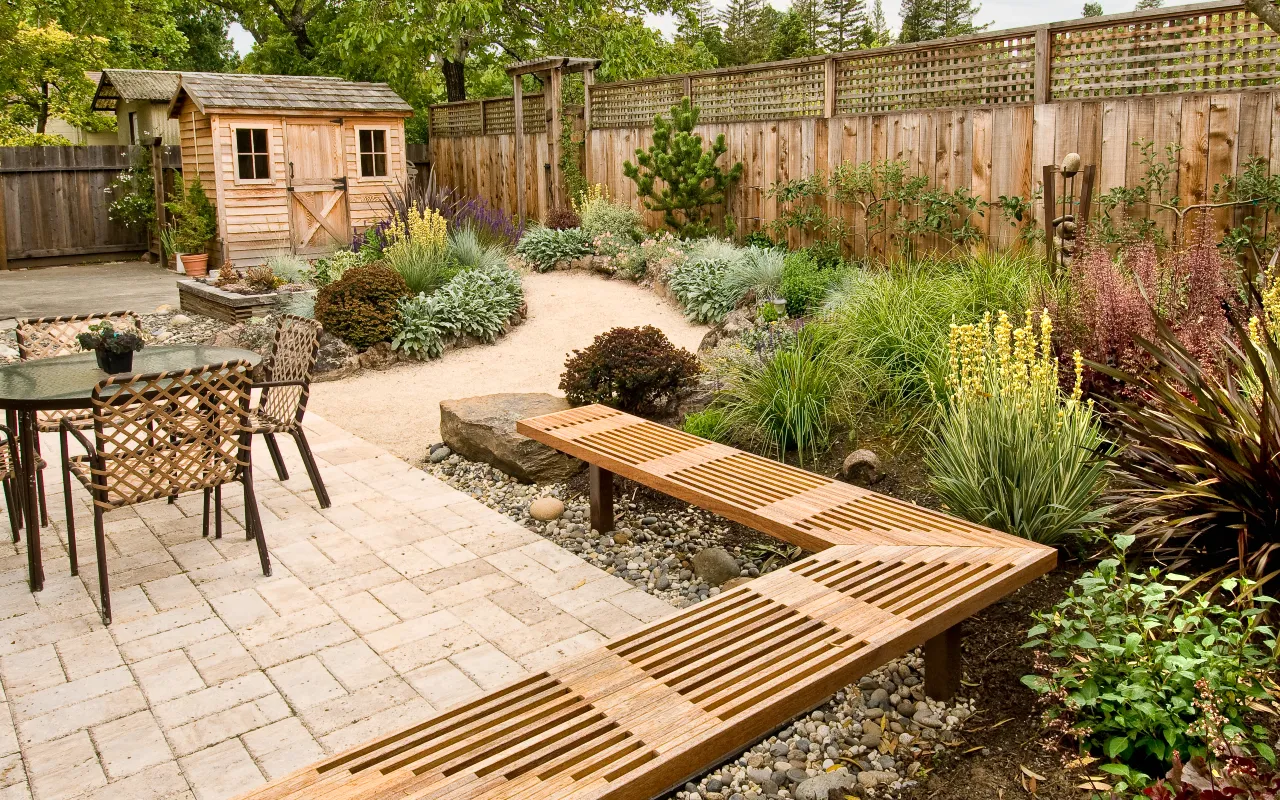
Elevating First Impressions
A home’s exterior is the first thing visitors and passersby notice, making it crucial to create an inviting and visually striking environment. Thoughtful landscaping and strategic design choices can boost curb appeal dramatically, transforming ordinary front yards into captivating spaces. Every element, from plant selection to hardscaping, contributes to a cohesive aesthetic that complements the home’s architecture. Investing in curb appeal not only enhances visual attractiveness but also increases property value, creating a lasting impression that resonates.
Strategic Layout and Planning
Successful outdoor design begins with a comprehensive plan. Assessing the property’s natural features, traffic flow, and focal points ensures that each element contributes meaningfully to the overall landscape. Defining pathways, seating areas, and garden zones allows for seamless movement and functional usage. Prioritizing high-impact areas, such as the front entrance and visible corners of the yard, ensures that resources are allocated effectively for maximum visual effect.
Enhancing with Hardscaping
Hardscaping elements provide structure and durability while adding visual interest. Patios, walkways, retaining walls, and decorative stone features create a sense of organization and sophistication. Choosing materials that complement the home’s exterior, such as natural stone, brick, or wood, integrates functionality with style. Carefully placed hardscape accents can highlight key areas of the property, reinforcing the overall design and enhancing curb appeal.
Plant Selection for Visual Impact
Plant choices are central to creating a vibrant and inviting landscape. Layering greenery of varying heights, textures, and colors adds depth and interest to the yard. Flowering shrubs, ornamental grasses, and strategically placed trees create focal points and natural frames for the home’s architecture. Incorporating seasonal plants ensures continuous visual appeal throughout the year, while low-maintenance and native species reduce upkeep, combining beauty with practicality.
Water Features and Artistic Accents
Subtle water features, such as fountains or small ponds, introduce tranquility and sophistication to outdoor spaces. The sound and movement of water provide sensory appeal while enhancing the design’s elegance. Additionally, artistic accents like sculptures, trellises, and decorative planters can inject personality and charm. Selecting pieces that harmonize with plantings and hardscaping ensures a cohesive and polished look, reinforcing the home’s overall aesthetic.
Lighting for Drama and Safety
Effective lighting elevates both aesthetics and functionality. Pathway lights, uplighting for trees, and accent lighting for architectural features create layers of illumination that highlight key elements. Proper lighting extends usability into evening hours and increases safety, guiding movement around the property. Thoughtful placement of lights accentuates textures, shadows, and focal points, contributing to a dramatic yet welcoming ambiance that enhances curb appeal.
Functional and Entertaining Spaces
Outdoor living areas such as patios, decks, and small seating zones increase both usability and appeal. Integrating functional spaces within the landscape allows homeowners to entertain, relax, and enjoy their property fully. Using durable, weather-resistant materials ensures longevity while maintaining style. These areas not only enrich daily life but also create visual interest that draws attention to the home’s exterior.
Sustainable Landscaping Practices
Sustainability adds value beyond aesthetics. Efficient irrigation systems, rain gardens, and mulching reduce water use and maintenance. Native and drought-tolerant plants thrive with minimal intervention, keeping the landscape vibrant without high upkeep costs. Sustainable design choices combine beauty and responsibility, enhancing the home’s appeal while supporting environmental stewardship.
Seasonal Considerations
Designing with seasonal variation in mind ensures the landscape remains attractive year-round. Evergreen plants provide structure and continuity, while annuals and perennials introduce changing colors and textures. Considering seasonal growth patterns allows homeowners to maintain a visually compelling exterior throughout the year, sustaining curb appeal across different climates and times.
Harmonizing with the Home
Curb appeal is most effective when the landscape complements the home’s architecture. Coordinating colors, materials, and design motifs between the building and outdoor elements creates a unified and polished appearance. Framing entrances with plants or hardscape, aligning pathways with sightlines, and emphasizing natural features ensures that the yard feels intentional and harmonious, reinforcing the property’s overall charm.


:strip_icc()/stylemaker-secret-white-den-b21ab396-d2636ff8d24449a99561054dc983475b.jpg?w=300&fit=300,300&ssl=1 "Interior Renovation on a Budget")
:max_bytes(150000):strip_icc()/exciting-small-kitchen-ideas-1821197-hero-d00f516e2fbb4dcabb076ee9685e877a.jpg?w=300&fit=300,300&ssl=1 "Kitchen Remodeling for Small Spaces")
