Engineered Wood vs Laminate: An Honest Comparison
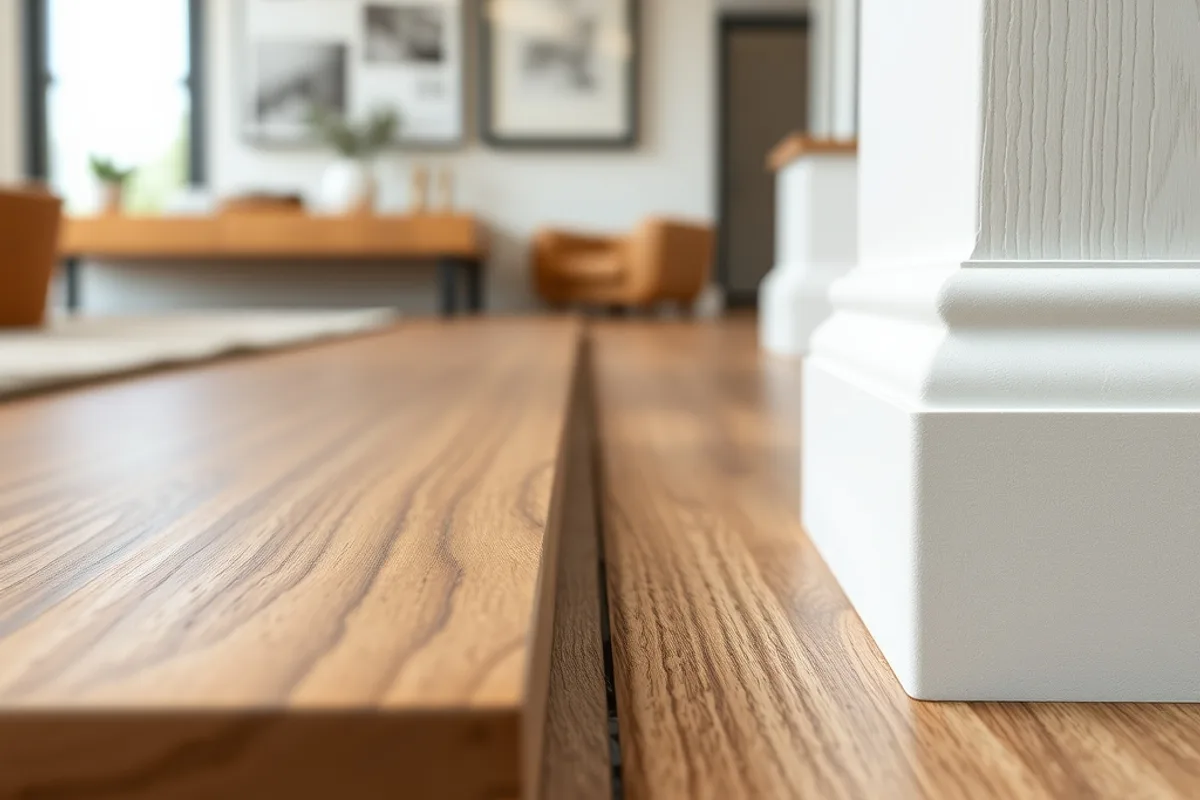
Both are sold as “wood floors” and both can look convincing in a showroom. The difference appears in year three, when the laminate has a chipped corner and the engineered board can be sanded back to new. Or in year one, when the engineered floor reacts to a leak and the laminate shrugs it off. The right answer depends on the room, not the brochure.
What each product actually is
Engineered wood is a plywood or HDF core with a real timber top layer, usually 2 to 6 millimetres thick. The core gives stability; the top layer gives the look and allows refinishing. Quality varies enormously: a 2 mm top layer can be sanded once at most, a 6 mm layer can be sanded two or three times.
Laminate is an HDF core with a printed decor layer and a transparent wear layer. It contains no real wood at the surface and cannot be sanded. The wear rating (AC3 to AC5) and the core density determine how long it lasts. Modern laminate can look excellent, but the texture is printed and repeated across boards.
Durability in real homes
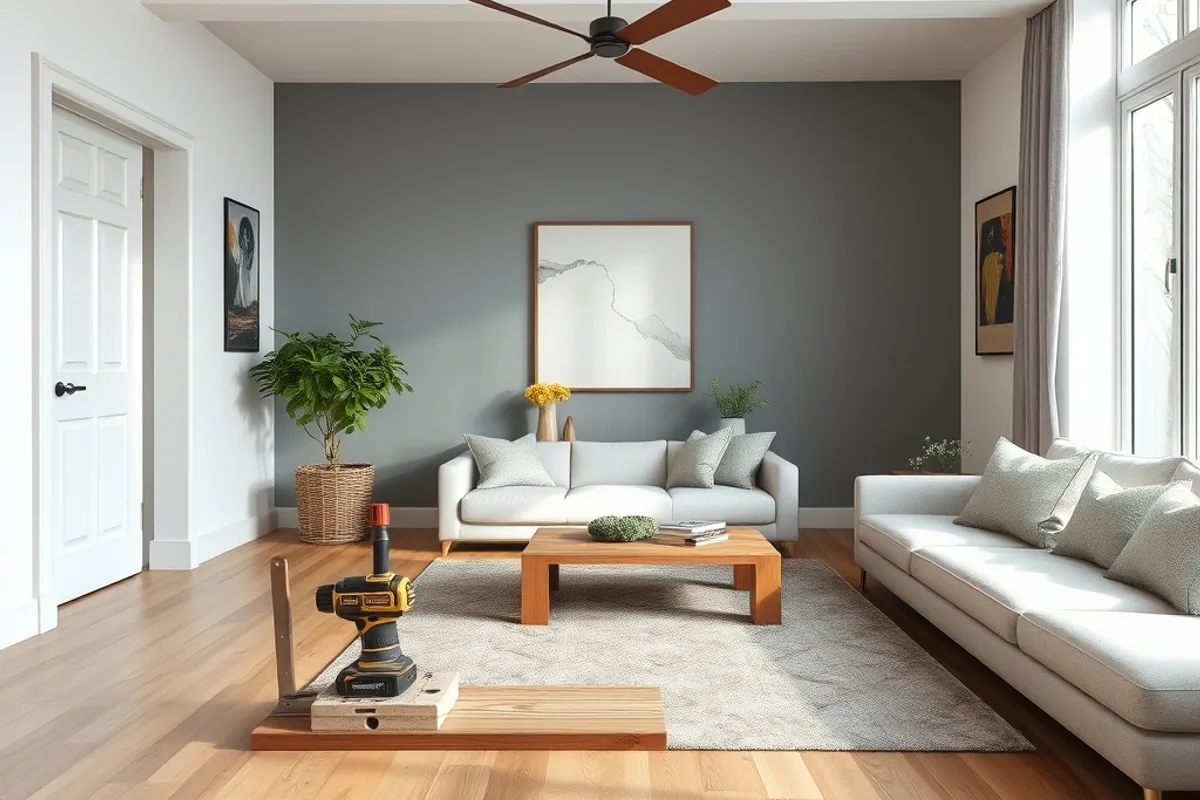
Engineered wood dents rather than chips. A dropped pan leaves a compression mark that can often be sanded out; a chair leg dragged across the floor leaves a scratch in the finish. It is comfortable underfoot, quieter than laminate and easier to repair locally if you keep spare boards.
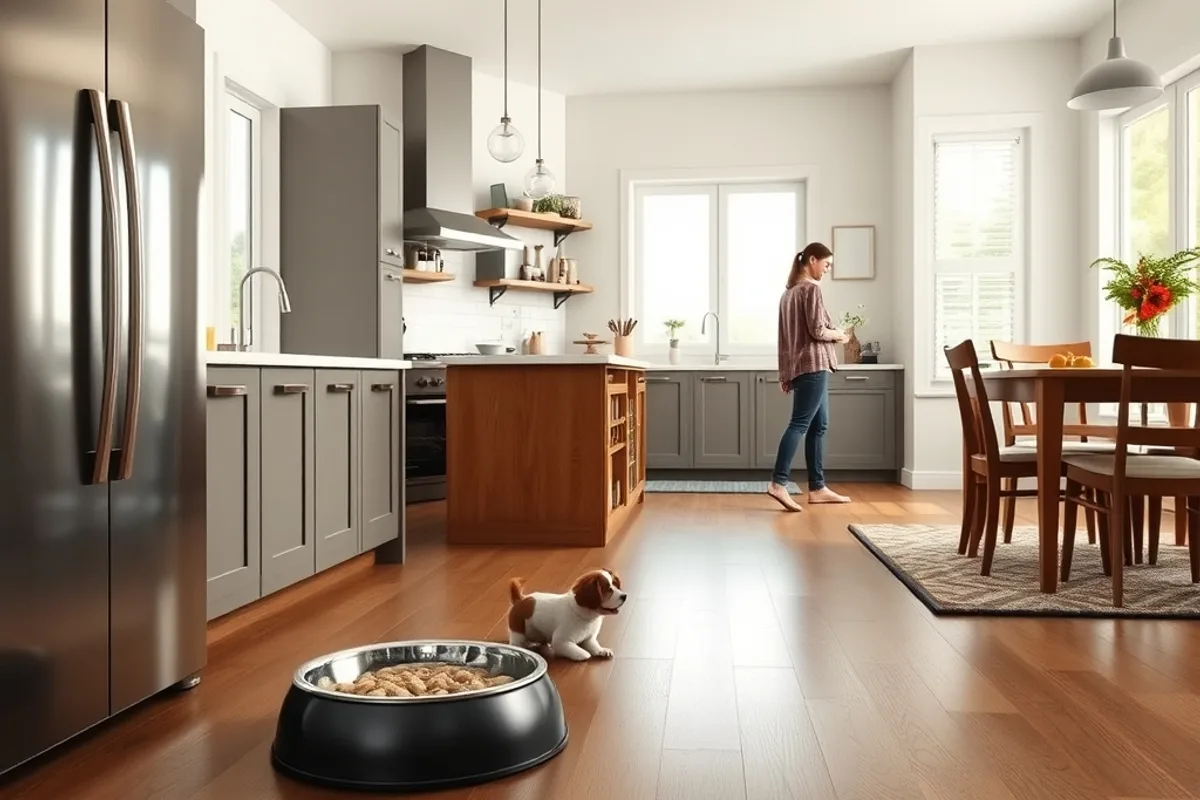
Laminate resists surface scratches better because the wear layer is hard, but it chips at the edges and swells if water gets into the core. A leaking dishwasher or a pet bowl left overnight can lift a seam permanently. In a busy family kitchen, laminate is a calculated risk; in a bedroom or study, it is a sensible budget choice.
Water and humidity
Engineered wood expands and contracts with humidity but recovers. Laminate is more stable in dry conditions but fails when water reaches the core. Neither is a bathroom floor. In a kitchen, wipe spills promptly and seal the edges; in a conservatory or a room with large glazing, control humidity and use engineered rather than laminate.
Underfloor heating
Both can work over underfloor heating if the manufacturer approves it. Engineered wood is generally the better conductor and more stable at temperature. Laminate needs a suitable underlay and a maximum surface temperature, usually 27°C. Never install either over a heating system that runs above the manufacturer's limit.
Cost over ten years
Laminate at $30 per square metre installed twice in ten years costs $60 per square metre, plus the disruption. Engineered wood at $90 per square metre, sanded and refinished once at $15 per square metre, costs $105 over the same period but looks better and adds value. The comparison changes if the engineered floor is damaged by water or badly installed.
Cheap engineered wood with a 2 mm top layer is the worst of both worlds: it costs more than laminate and cannot be refinished enough to justify the price. Either buy laminate and accept the lifespan, or buy engineered with a top layer of at least 4 millimetres.
Installation and subfloor
Both are usually floating, though engineered wood can be glued down. Floating floors need a flat substrate within 3 millimetres over 2 metres and an expansion gap at the perimeter. Glue-down engineered wood feels more solid and is quieter, but it costs more and is harder to remove.
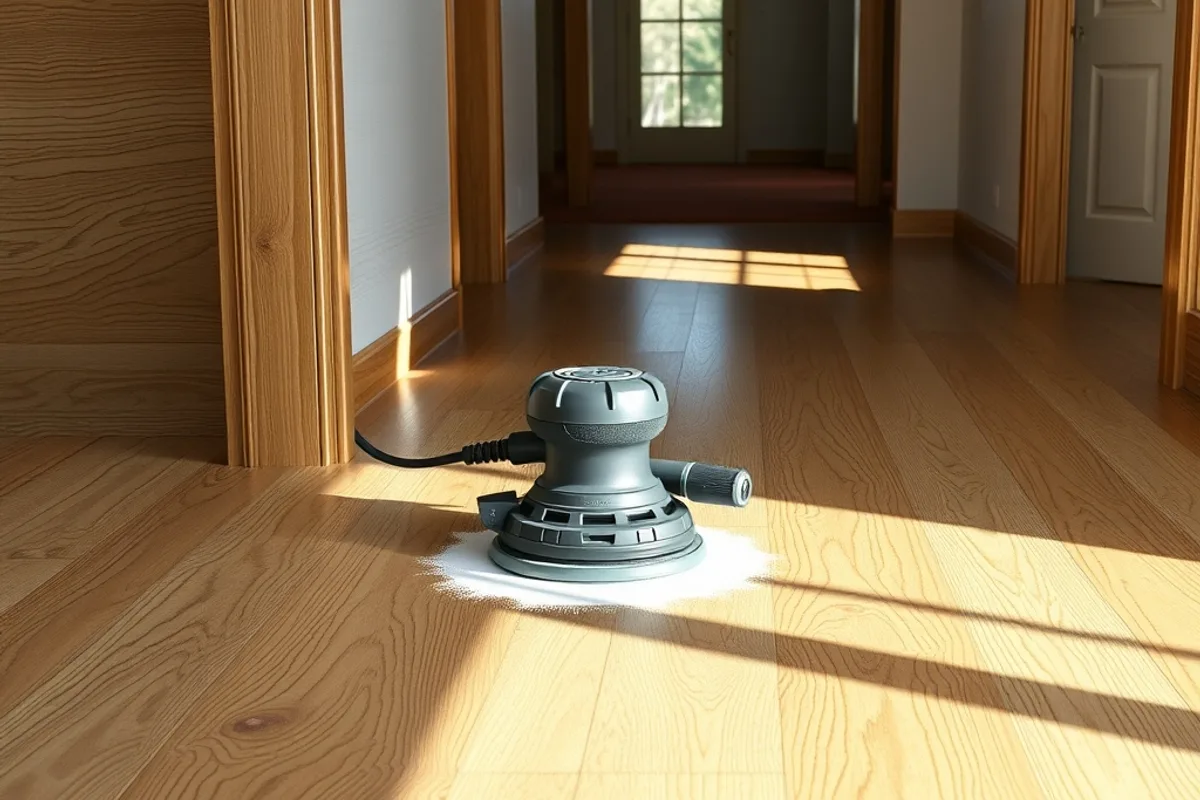
Acclimatise both products in the room for at least 48 hours. Test the subfloor moisture, especially over a new slab. A moisture barrier is essential over concrete. For a full cost breakdown including preparation, see our flooring cost guide.
Which suits which room
Engineered wood suits living rooms, dining rooms and bedrooms where comfort and appearance matter and water risk is low. Laminate suits bedrooms, studies and rental properties where budget and scratch resistance matter more than longevity. For kitchens and hallways, LVT or tile is often the better third option.
If you have pets, choose a hard-wearing engineered oak with a matte lacquer, or a high-rated laminate with a water-resistant core. Keep a spare box of either; a repair in five years is much easier when the batch matches. For bathroom-adjacent rooms, read the bathroom guide before choosing a floor that continues into a wet area.
"Buy the floor for the room you have, not the room in the photograph."
The bottom line
Engineered wood wins on feel, repairability and resale value; laminate wins on price and scratch resistance. Neither belongs in a wet room. Spend on a thicker wear layer and proper subfloor preparation, and the floor will outlast the trend that sold it to you.